

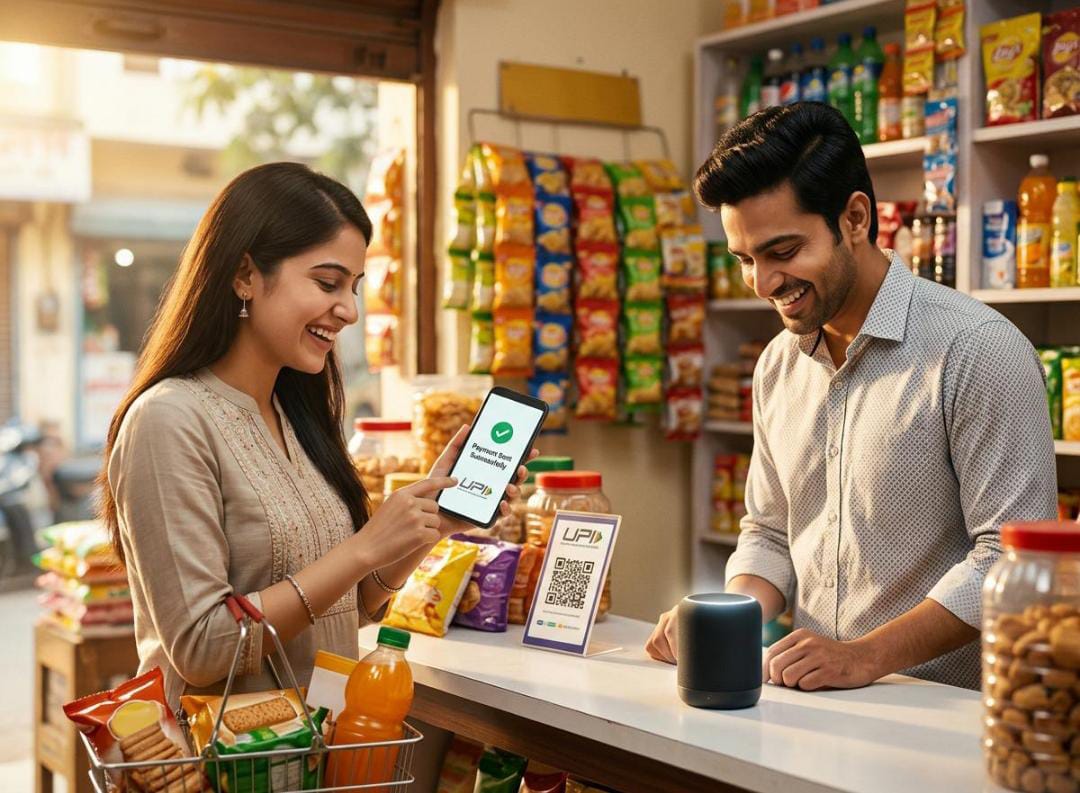
India has witnessed a remarkable transformation in the way people make payments. From carrying cash to simply scanning a QR code, digital payments have become an important part of everyday life. Among the various digital payment methods, the Unified Payments Interface (UPI) has emerged as one of the most widely used payment systems in India.
UPI allows users to transfer money instantly through mobile applications without needing to enter lengthy bank details. It has made payments convenient for everyone, from students and small shopkeepers to large businesses.
The growth of UPI has also changed consumer behaviour. People can now pay for groceries, food, transportation, shopping and other services within seconds. Small businesses have benefited from digital payments because they can accept payments without expensive card machines.
The UPI ecosystem is also evolving. New rules and changes in merchant-payment charges are expected to influence how businesses manage digital transactions. These developments show that India's digital-payment market is moving towards a more mature stage.
However, the increasing use of digital payments also creates challenges. Cyber fraud, phishing, fake payment requests and online scams remain important concerns. Users therefore need to be careful while sharing OTPs, PINs and other banking information.
Overall, UPI has transformed India's payment ecosystem and made digital transactions faster and more accessible. As technology continues to develop, UPI is likely to remain an important part of India's digital economy.
The journey of UPI represents India's shift towards a digital economy. Its continued development can create new opportunities for consumers and businesses while also making digital safety increasingly important.